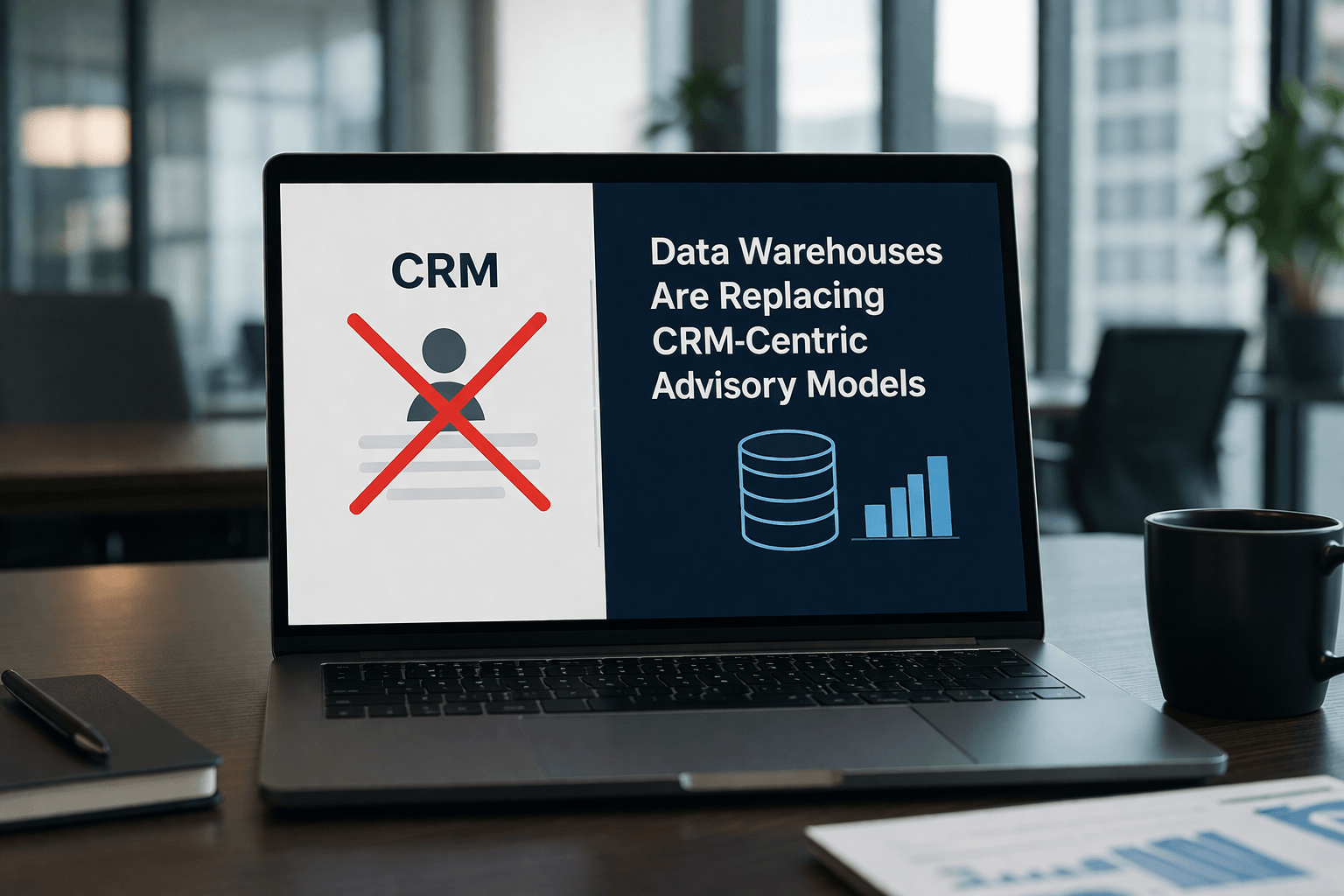
· blog · 3 min read
From Static Reports to Dynamic Dashboards: Reimagining Advisor Intelligence
The shift from static reporting to dynamic dashboards is redefining how advisors understand client portfolios, identify risks, and deliver meaningful guidance.
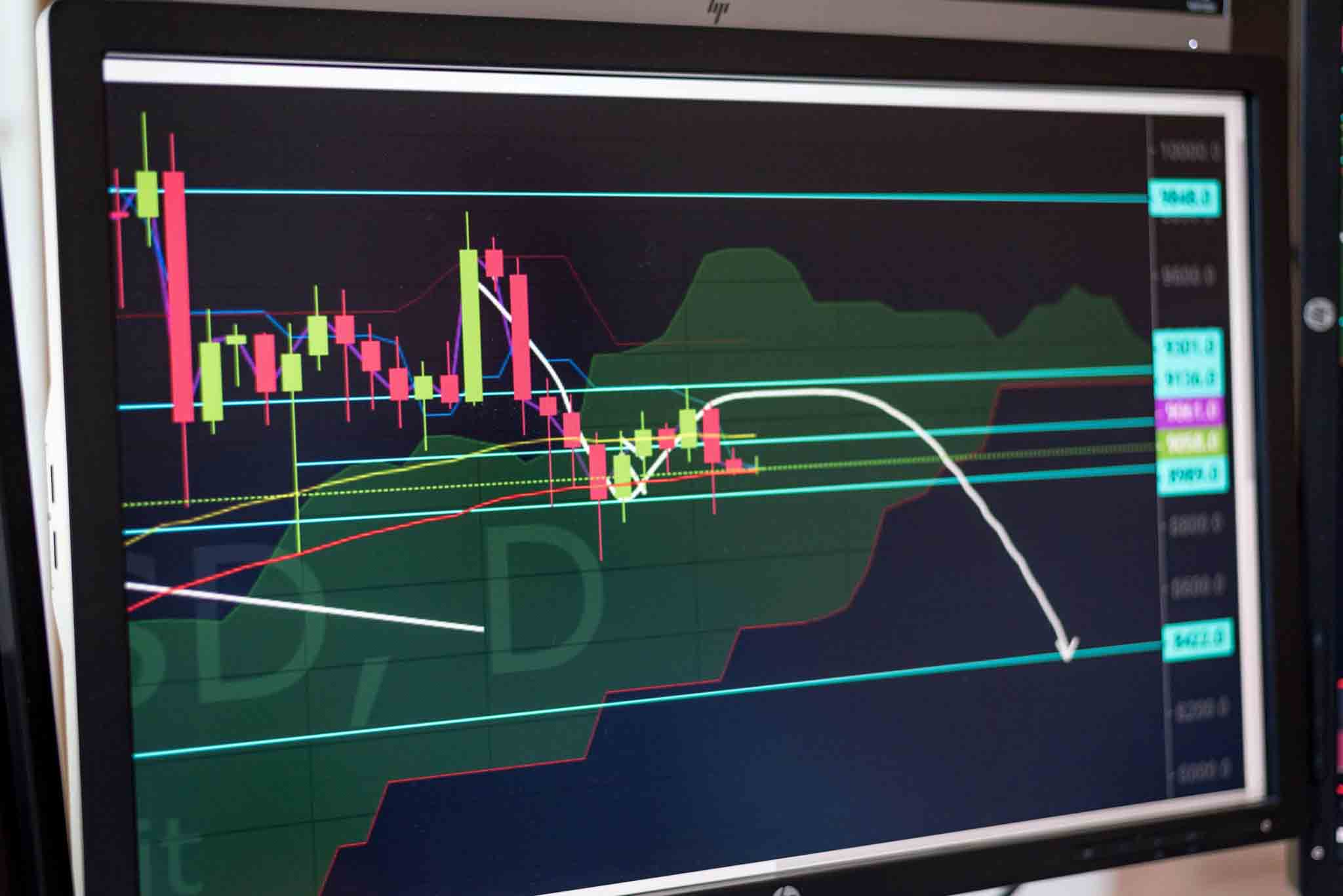
For decades, wealth management has relied on static reports to inform decisions. Quarterly performance summaries, printed portfolio reviews, and backward-looking analytics have long been the foundation of advisor-client conversations. While these tools once served their purpose, they are increasingly out of step with the pace and complexity of today’s financial environment.
As markets move faster and client expectations rise, advisors need intelligence that evolves in real time. The shift from static reporting to dynamic dashboards is redefining how advisors understand client portfolios, identify risks, and deliver meaningful guidance.
The Limits of Static Reporting
Static reports capture a moment in time. By the time they are generated, reviewed, and discussed, the data they contain may already be outdated. This creates a reactive advisory model where insights arrive after decisions should have been made.
For advisors managing complex portfolios across multiple asset classes, jurisdictions, and entities, static reports also struggle to tell a cohesive story. Critical signals are often buried in spreadsheets, making it difficult to connect data points or anticipate emerging risks.
In an environment shaped by market volatility, regulatory change, and evolving client needs, hindsight is no longer enough.
The Rise of Dynamic Advisor Intelligence
Dynamic dashboards represent a fundamental shift in how advisors interact with information. Rather than reviewing data periodically, advisors can monitor key indicators continuously. Portfolio performance, liquidity positions, exposure concentrations, and client goals can all be viewed through a single, interactive lens.
This real-time visibility allows advisors to move from observation to action. They can identify trends as they develop, explore scenarios, and adjust strategies before small changes become larger problems.
Dynamic intelligence does not overwhelm advisors with more data. It organizes information in a way that supports faster and more confident decision-making.
Better Insights Lead to Better Conversations
When advisors are equipped with dynamic dashboards, client conversations change. Meetings become less about explaining past performance and more about discussing future options. Advisors can illustrate how decisions affect outcomes, explore alternative strategies together, and respond to client questions with clarity.
Interactive visuals also help bridge knowledge gaps, particularly for families and next-generation stakeholders. Complex financial concepts become easier to understand when clients can see how different variables influence their overall wealth picture.
Supporting a More Proactive Advisory Model
Dynamic dashboards enable advisors to shift from reactive reporting to proactive planning. Alerts and trend indicators can highlight deviations from targets, upcoming liquidity needs, or changes in risk exposure.
This proactive approach strengthens trust. Clients feel supported when their advisor anticipates challenges and reaches out with informed recommendations rather than reacting after the fact.
The Role of Technology and AI
While dashboards are driven by data, artificial intelligence enhances their value by identifying patterns, prioritizing insights, and reducing manual effort. AI can help surface relevant signals within large data sets and support more accurate forecasting.
Importantly, technology remains a tool rather than a replacement. The advisor’s role is to interpret insights, apply judgment, and guide clients through decisions that reflect both financial goals and personal values.
Conclusion
The transition from static reports to dynamic dashboards marks a turning point for advisor intelligence. In a world defined by constant change, advisors need tools that evolve as quickly as their clients’ lives and the markets they navigate.
By embracing dynamic, data-driven insights, advisors can deliver more timely guidance, deepen client relationships, and reimagine what it means to be truly informed.